BlockDAG's Beta Testnet Simulates Real Token Flows, While DOGE Fluctuates and ETC Holds Steady
Ethereum Classic (ETC) prioritizes blockchain immutability, adhering strictly to its code. Dogecoin (DOGE), conversely, thrives on internet culture and community-driven enthusiasm. While both maintain distinct positions, BlockDAG is innovating with a beta testnet that accurately reflects its real-world tokenomics.

BlockDAG's approach goes beyond a technical demonstration. Through smart contract-managed vesting, competitive rewards, and real-time user engagement, it establishes a functional framework for BDAG before mainnet launch.
Ethereum Classic: Upholding its Principles
Emerging in 2016 after Ethereum's hard fork, Ethereum Classic embraced the "code is law" philosophy. This attracted users valuing immutability, and its Proof-of-Work model allows for unrestricted smart contract and decentralized application execution without interference.

Currently trading around $16.79, ETC has seen a 14.04% increase over the past year. This consistent performance demonstrates sustained support, showcasing its enduring appeal despite the emergence of newer platforms.
Dogecoin: Community-Driven Volatility
Dogecoin, launched in 2013, evolved from a meme-based cryptocurrency into a significant player. Utilizing a Proof-of-Work model similar to Litecoin, it offers fast and inexpensive transactions. Its strength lies in its vibrant community, fostering use cases such as tipping, donations, and small payments.
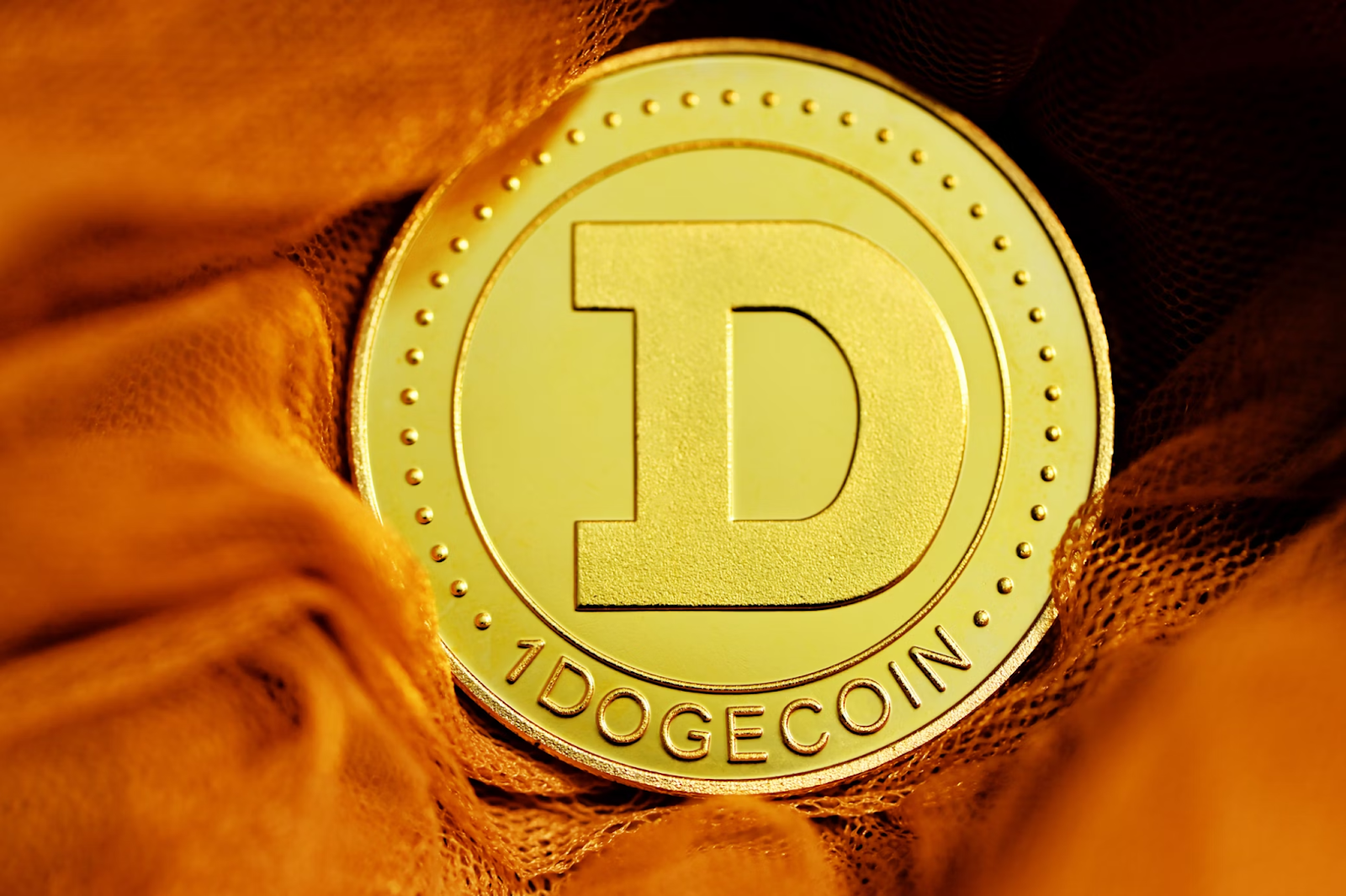
Currently priced at $0.171657, DOGE has experienced considerable price volatility this year, influenced by social media trends and market sentiment. This inherent volatility, however, contributes to both its appeal and risk for investors.
BlockDAG's Beta Phase: Real-World Application
BlockDAG's "Primordial" Beta Testnet isn't merely testing network performance; it's replicating the BDAG token's economic structure. Every aspect, from token release schedules to reward-based participation, mirrors the mainnet's anticipated operation.
The testnet's scale is notable. Over 110,000 users participate in the vesting model, receiving 10,000 test tokens in four scheduled drops. This allows for the observation of user interaction patterns and token claim behavior.
The reward structure is particularly noteworthy. The top 10 transaction wallets, top miners, and top holders will each receive $2,000 worth of BDAG at the launch price—real value, not test tokens. This experiment provides valuable insights into real-world incentive mechanisms.

BlockDAG has raised $210.5 million, sold over 19 billion coins, and currently sits at Batch 27 pricing of $0.0248 per token, representing a 2,380% return since the first batch. This demonstrates market confidence and underscores the real-world simulation of tokenomics.
Simulated Tokenomics with Real-World Implications
Ethereum Classic champions pure blockchain principles, while Dogecoin highlights the market impact of community and momentum. BlockDAG, however, adopts a proactive approach, testing and refining its tokenomics in a live environment.
Instead of relying solely on projections, BlockDAG provides a tangible platform for user interaction, encompassing distribution schedules, wallet activity, incentives, and behavioral modeling. This offers a unique perspective on economic performance before mainnet activation.
This approach serves as a valuable lesson for developers and investors: simulating success, while observable, can be the most effective predictor of future performance.

(Note: Promotional links have been removed as requested.)
Disclaimer: This article is an advertorial and does not reflect the editorial views of [Platform Name].
 Coinpaper
 Finance Feeds
 CryptoNewsLand
 Deythere
 36Crypto
 TurkishNY Radio
 Bitcoin Sistemi
 CoinoMedia
 Yellow News