A recent nationwide survey by the Korea Financial Consumer Protection Foundation (KFCPF) reveals that over 50% of South Korean adults have traded cryptocurrencies. The survey, conducted across major metropolitan areas, found that 52% of respondents have traded or are currently trading digital assets. This aligns with Bank of Korea reports indicating citizens hold over $73.4 billion worth of cryptocurrencies on local exchanges, highlighting the significant penetration of crypto trading into South Korea's financial landscape. However, this widespread adoption presents increased risks, including scams and market volatility.
Bitcoin Remains Dominant, Altcoin Interest Grows
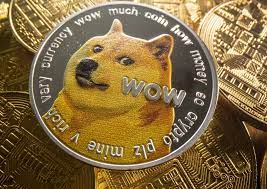
The KFCPF survey of 2,500 adults aged 19 to 69 shows Bitcoin (BTC) remains the most popular cryptocurrency, with 76% of respondents trading or holding it. Ethereum (ETH) follows at 52.8%, followed by XRP (32.2%), Dogecoin (24.6%), and Solana (14.7%). Respondents traded an average of more than three cryptocurrencies, indicating a diversifying trend in South Korean crypto portfolios. While most trades were for investment purposes, a significant portion cited curiosity or functional use as their initial motivation.
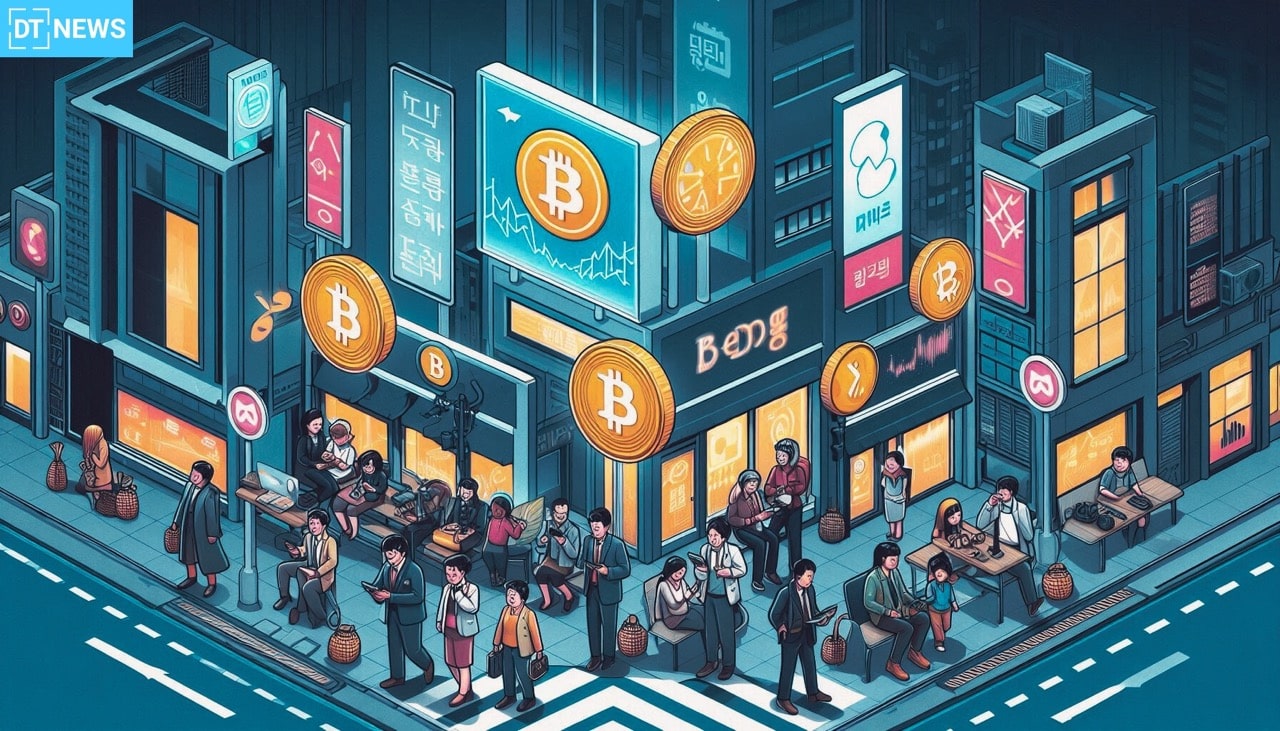
South Korean Crypto Adoption Surges, Survey Finds
Short-Term Trading and Associated Risks
Data suggests short-term trading is prevalent. The majority of investors sold their assets within a year, with most reporting gains under 10 million won (approximately $7,000). Despite these relatively modest profits, the allure of quick returns continues to drive high retail activity. This is supported by the Central Bank's figures, showing nearly 6 million Koreans actively trading on domestic exchanges like Upbit, Bithumb, and Korbit as of December 2024, placing South Korea 4th in Chainalysis's 2024 Crypto Adoption Index.
The Dark Side of the Boom: Scams and Regulatory Gaps
The crypto boom, however, has a significant downside. One in five respondents reported losing money due to exchange failures or security breaches. A concerning 45% stated they were misled by false investment advice in "reading rooms"—informal chat groups on apps like KakaoTalk and Telegram known for unverified crypto tips. Furthermore, one-third invested in fraudulent tokens or unlicensed platforms, yet 68% did not pursue legal action or compensation, highlighting a considerable gap in consumer protection and awareness. South Korean crypto experts point to Telegram-based pump-and-dump schemes and unlicensed platforms promising unrealistic returns as major contributors to these losses. The sector currently lacks the robust regulatory framework present in traditional finance.
Government Response: Strengthening Oversight
The government is actively responding. The Financial Services Commission (FSC) is pushing for stronger crypto regulations, with a new bill expected in mid-2025 mandating real-time transaction reporting and stricter exchange compliance. The Virtual Asset User Protection Act, effective July 2025, aims to safeguard deposits and improve listing transparency to mitigate investor losses stemming from misinformation and unregulated platforms. The FSC emphasizes that investor protection is a top policy priority given the widespread crypto asset exposure.

South Korean Crypto Adoption Surges, Survey Finds
Beyond Speculation: Cultural Factors and Institutional Involvement
South Korea's crypto interest extends beyond pure speculation. A cultural fascination with innovation and technology fuels engagement. Local financial institutions are also entering the space, with KB Kookmin Bank and Shinhan Bank launching crypto custody services, while brokers like Mirae Asset explore tokenized securities. Educational initiatives are also underway, with Seoul's municipal government partnering with universities to offer public seminars on blockchain literacy.
Conclusion: High Adoption, High Risk
South Korean crypto trading presents a double-edged sword. While over 50% of the population is involved, primarily in short-term, retail-driven trades, the risk of scams and limited legal recourse remains significant. With upcoming regulations and increasing institutional involvement, the success of South Korea in creating a safer and more transparent crypto environment remains to be seen.
FAQs
- What percentage of South Koreans have traded crypto? According to KFCPF, 52% of South Korean adults have traded or currently trade cryptocurrencies.
- What are the most popular cryptocurrencies in South Korea? Bitcoin, Ethereum, XRP, Dogecoin, and Solana.
- Are South Korean crypto investors making profits? While 52% of respondents reported profits, most were under 10 million won, and many sold within a year.
- What types of scams are common in the South Korean crypto market? False investment advice in messaging app chatrooms, fake tokens, and unlicensed exchanges.
- What is the government doing to regulate crypto trading? New laws, including the Virtual Asset User Protection Act, will take effect from July 2025.
Glossary
- KFCPF: Korea Financial Consumer Protection Foundation
- Reading Rooms: Informal online chatrooms for crypto investment discussions.
- Virtual Asset User Protection Act: South Korean law improving investor protections in crypto markets.
- Chainalysis Crypto Adoption Index: A ranking measuring global crypto adoption.
- Tokenized Securities: Digital representation of traditional financial instruments on blockchain platforms.
References
- Cryptonews
- Yonhap
 Coinpaper
 Finance Feeds
 CryptoNewsLand
 Deythere
 36Crypto
 TurkishNY Radio
 Bitcoin Sistemi
 CoinoMedia
 Yellow News