The U.S. House Committee on Financial Services has advanced the Digital Asset Market Clarity (CLARITY) Act, a significant piece of legislation aimed at establishing a clear regulatory framework for the crypto market. This bill is now poised for a vote on the House floor.
On Tuesday, House Financial Services lawmakers voted 32 to 19 in favor of moving the CLARITY Act forward, following a prior vote in the House Agriculture Committee, where it passed 47 to 6.
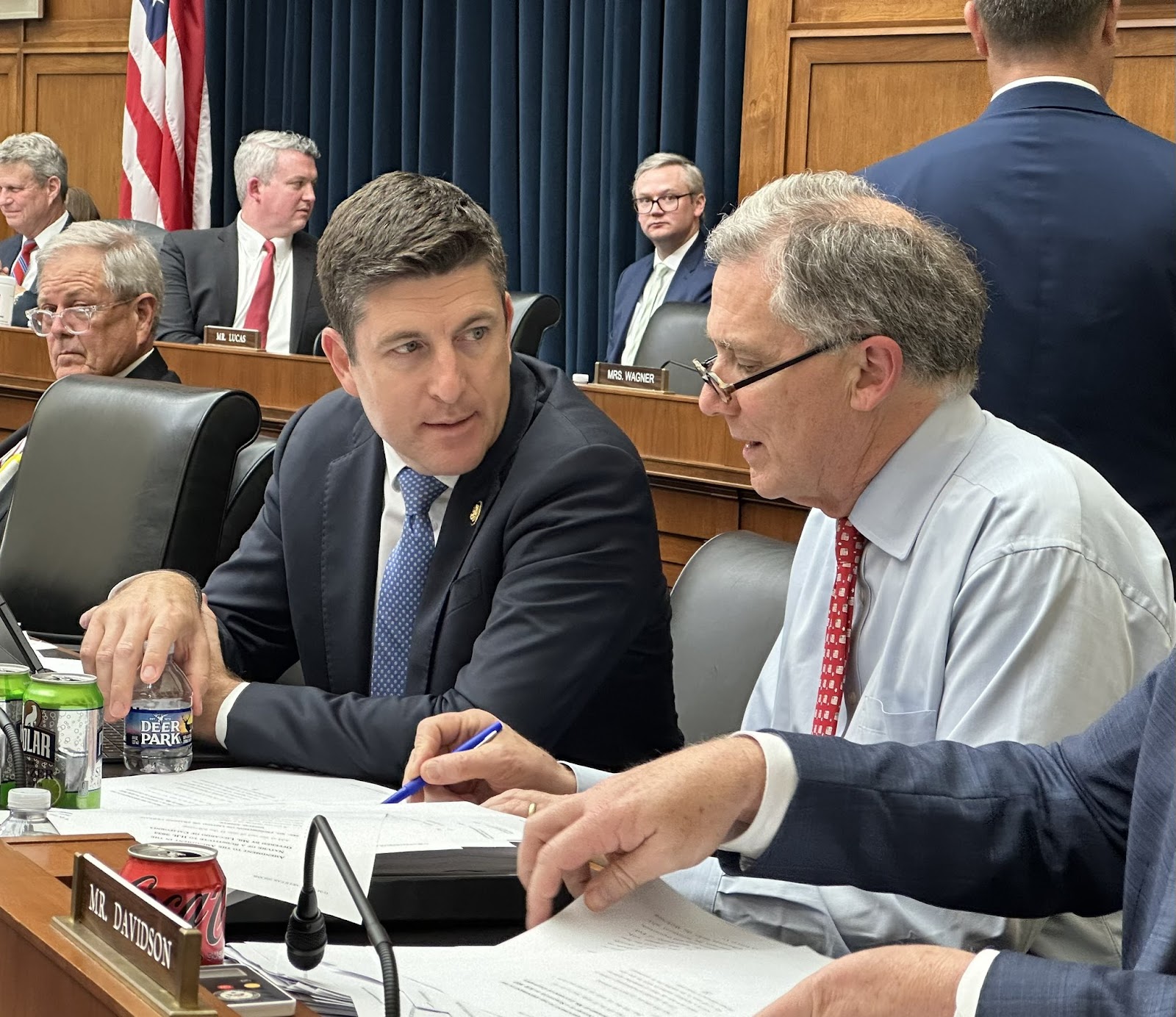
Representative French Hill, the bill's sponsor, expressed his enthusiasm shortly after the vote, stating, "This is the second bill that Bryan Steil has ably led, first stablecoins and now a market structure bill."
Steil, who chairs the House Committee on Financial Services Crypto Subcommittee, hailed the passage as "a big step forward" and noted it was "great to see" Hill's act had successfully navigated the House committees.
Hill further emphasized the potential for the United States to lead in the evolving landscape of Web3, including the integration of tokenized payments within financial services.
Hill, who introduced the bill in May, explained that the CLARITY Act is designed to "create a fair, functional, forward-looking regulatory framework that captures everyone participating in it."
The legislation addresses the roles of both the Securities and Exchange Commission (SEC) and the Commodity Futures Trading Commission (CFTC) in regulating digital assets, clarifying their respective jurisdictions.
Furthermore, it establishes provisional CFTC registration requirements for crypto exchanges, digital commodity exchanges, brokers, and dealers, mandating compliance with rules regarding disclosure, customer asset segregation, and recordkeeping.
Critically, the bill also explicitly safeguards users' rights to hold crypto in non-custodial wallets and engage in peer-to-peer transactions.
Bryan Steil (left) and French Hill (right) at the vote. Source: Bryan Steil
Amendments to Protect Developers
Earlier in the week, Hill introduced an amendment focusing on the "treatment of certain non-controlling blockchain developers." This amendment proposes that specific blockchain developers or service providers should not be classified as "money transmitters" or be subject to the associated registration requirements.
Some Democrats Express Opposition
Despite the bipartisan support, some Democrats remain opposed to the bill in its current form. Ranking Financial Services Committee member Maxine Waters proposed an amendment to address potential conflicts of interest related to former U.S. President Donald Trump’s crypto businesses. She suggested that the bill could be used to personally benefit Trump and his family.
Additionally, Representative Brad Sherman proposed an amendment aimed at prohibiting potential crypto industry "bailouts" in the future.
 AD HOC NEWS
 AD HOC NEWS
 Coinpaper
 Coinpaper
 Finance Feeds
 CryptoNewsLand
 Deythere
 36Crypto
 TurkishNY Radio