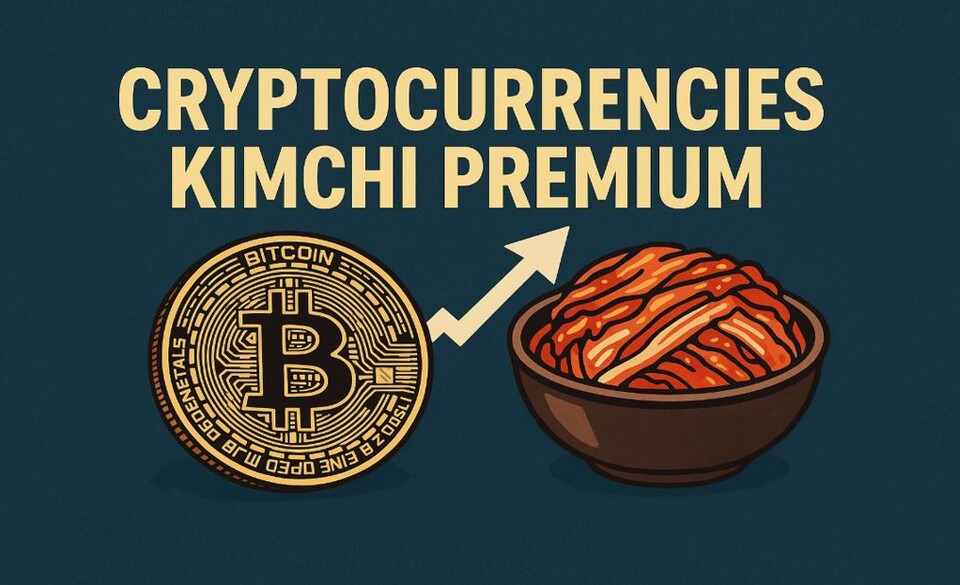
Welcome to the wild world of South Korean crypto, where the 'Kimchi Premium' is more than just a quirky market anomaly—it's a vibrant pulse point of local demand, currently dancing to a tune of increased regulatory scrutiny and a volatile Bitcoin market.
The Kimchi Premium's Spicy Climb
As of November 15, 2026, Bitcoin on South Korea's Upbit exchange was trading at 90.73 million KRW, experiencing a slight dip from the previous day. Yet, the 'Kimchi Premium'—the price difference between Korean exchanges and global platforms like Binance—actually expanded to a notable 2.58%. This isn't just about Bitcoin; leading altcoins such as Ethereum, Dogecoin, Sui, XRP, and Solana also saw their premiums range from 2.48% to 2.76%.
Just a day earlier, on November 14, Bitcoin's premium was a more modest 1.66%. The upward swing in the premium, despite Bitcoin's recent price dip, suggests that domestic retail demand in South Korea remains resilient, perhaps even accelerating. It's a clear indicator that local investors are willing to pay a premium for their crypto, underscoring a persistent bullish sentiment within the country's borders, even as global prices fluctuate.
Regulatory Kimchi: A Recipe for Security
In parallel with these market dynamics, South Korea's Financial Services Commission (FSC) is stirring up the regulatory pot with a new initiative aimed at fortifying crypto exchange security. The FSC plans to issue a 'no-action letter' that will grant exchanges clearer legal grounds to temporarily halt deposits and withdrawals when hacking is suspected, rather than waiting for a confirmed breach. This proactive approach marks a significant shift from previous rules, which generally only permitted restrictions once a hacking incident was definitively established.
Why the change? The FSC's rationale is refreshingly straightforward: the early stages of a cyber attack are often the most critical for damage control. By allowing 'preventive suspensions,' the regulator aims to reduce potential losses before attackers can move assets. This move is a direct response to recent security incidents, like those involving GOPAX and Prabang, which highlighted the gray areas exchanges faced when dealing with suspected, but unconfirmed, threats.
What This Means for the Crypto Crew
For exchanges, this regulatory tweak offers a clearer pathway for rapid response, potentially reducing the dilemma of acting quickly versus risking regulatory criticism. However, it comes with strings attached: exchanges must maintain round-the-clock monitoring, robust incident response capabilities, higher cold-wallet holdings, and stronger insurance coverage. Essentially, the FSC is saying, 'You want to play superhero? You better have the cape and the powers to match.'
For users, the immediate impact might be quicker service interruptions during suspicious activity. But fear not, the FSC is trying to balance security with transparency, requiring exchanges (especially those without continuous monitoring) to notify users in advance about restricted access. It’s all about keeping you in the loop, even when things get a little spicy.
Looking Ahead: A Glimmer of Hope
The convergence of a rising Kimchi Premium and enhanced regulatory oversight paints a fascinating picture for Bitcoin and crypto in South Korea. It shows a market that, despite its inherent volatility, is maturing and adapting. The FSC's forward-thinking approach to cybersecurity, coupled with the persistent local demand, suggests a future where South Korea could lead the charge in creating a more secure and robust crypto ecosystem. So, whether you're a seasoned trader or a curious newcomer, keep an eye on South Korea—it's proving to be a true crypto trailblazer, serving up innovation with a side of security. And who knows, maybe the next big trend will be a 'Kimchi-flavored' stablecoin!
 BH NEWS
 Coin Muhendisi
 IT Times
 Blockonomi
 CryptoTicker ENG
 Wendy
 Nathon Clark
 Optimisus
 COINTURK NEWS