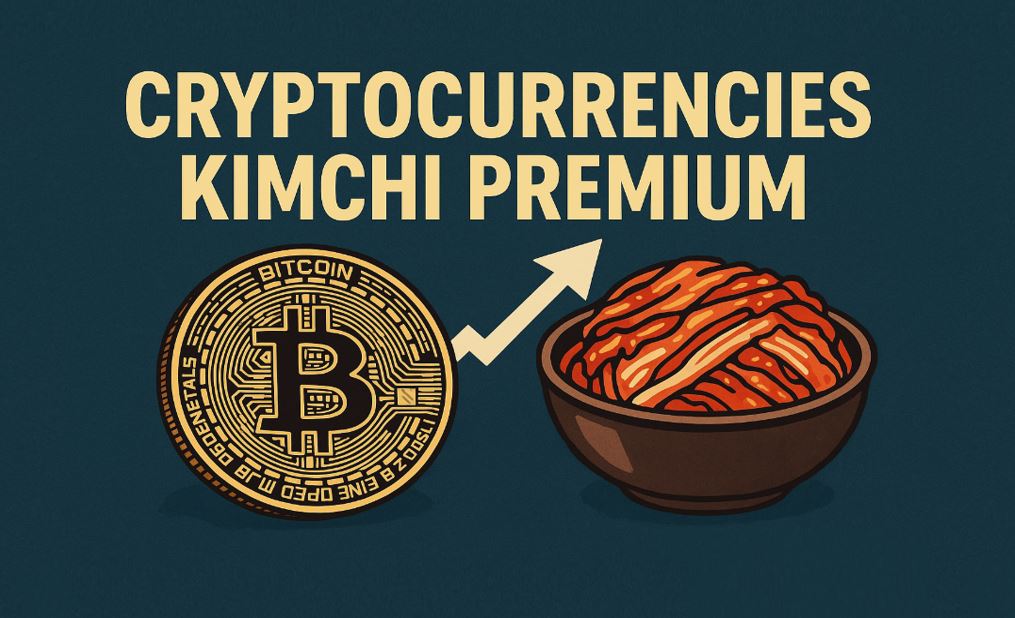
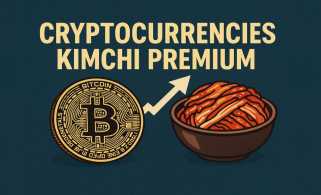
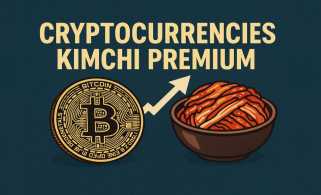
New York, NY – The Land of the Morning Calm, South Korea, usually a hotbed for crypto enthusiasm, is currently witnessing a fascinating twist in its digital asset market. For those keeping an eye on Bitcoin and its brethren, the infamous 'Kimchi Premium' – where crypto typically trades at a higher price in South Korea – has taken an unexpected U-turn, transforming into a 'reverse kimchi premium.' This means that as of September 23rd, Bitcoin (BTC) and a host of other major altcoins are actually trading at a discount compared to their global counterparts.
紐約 – 韓國這片晨靜之地,通常是加密貨幣熱情的溫床,目前正在見證其數位資產市場發生令人著迷的轉變。對於那些關注比特幣及其同類的人來說,臭名昭著的「泡菜溢價」——加密貨幣在韓國通常以更高的價格交易——已經發生了意想不到的轉變,轉變為「反向泡菜溢價」。這意味著截至 9 月 23 日,比特幣 (BTC) 和許多其他主要山寨幣的交易價格實際上低於全球同類貨幣。
As the clock struck midnight KST on September 23rd, Bitcoin on South Korea's Upbit exchange was priced at 116.31 million KRW, slightly down from the previous day. Compare that to Binance, a global powerhouse, where BTC was trading at 117.19 million KRW. The difference? A cool -880,000 KRW, translating to a reverse kimchi premium of -0.75%. It’s not just Bitcoin feeling this pinch; Ethereum (ETH) saw a -0.78% reverse premium, and other big players like Solana (SOL), XRP (XRP), Dogecoin (DOGE), and Sui (SUI) were all in the -0.7% to -0.8% range. This broad discount across major altcoins signals a distinct market dynamic at play.
9 月 23 日韓國時間午夜鐘聲敲響,韓國 Upbit 交易所的比特幣價格為 1.1631 億韓元,較前一日小幅下跌。相比之下,全球巨頭幣安網的 BTC 交易價格為 1.1719 億韓元。區別?酷炫的 -880,000 韓元,相當於 -0.75% 的反向泡菜溢價。感受到這種壓力的不僅是比特幣,還有比特幣。以太坊 (ETH) 的反向溢價為 -0.78%,而 Solana (SOL)、XRP (XRP)、狗狗幣 (DOGE) 和 Sui (SUI) 等其他主要參與者的反向溢價均在 -0.7% 至 -0.8% 的範圍內。主要山寨幣的大幅折扣標誌著獨特的市場動態正在發揮作用。
The Shifting Tides: What's Driving the Discount?
潮流的轉變:是什麼推動了折扣?
While the exact reasons for this market reversal are complex, it certainly hints at a potential change in local demand or an arbitrage opportunity for savvy traders. Historically, the Kimchi Premium has been a barometer of intense retail speculation and limited access to global exchanges for South Korean investors. The current reverse premium could suggest a more cautious local sentiment, increased market maturity, or even a greater flow of capital between South Korean and international platforms.
雖然市場逆轉的確切原因很複雜,但它無疑暗示了當地需求的潛在變化或精明交易者的套利機會。從歷史上看,泡菜溢價一直是散戶投機激烈和韓國投資者進入全球交易所的機會有限的晴雨表。目前的反向溢價可能顯示當地情緒更加謹慎、市場成熟度提高,甚至韓國和國際平台之間的資本流動增加。
Interestingly, this local market shift stands in contrast to the high-stakes movements of mysterious whales on the global stage. Recent on-chain data revealed a whale exchanging a staggering 1,308 BTC (approximately $104 million) for 40,670 ETH over six days, all of which was then staked. While this global maneuver suggests a long-term play on Ethereum's potential, it doesn't seem to have swayed the immediate pricing dynamics in the South Korean market, where the focus remains on the local supply and demand equation. The whale’s bet on ETH, despite Bitcoin's recent upward trend, underscores the diverse strategies employed by major crypto holders, but it’s a separate saga from the current Korean market's discount dilemma.
有趣的是,這種本地市場的轉變與神秘鯨魚在全球舞台上的高風險運動形成鮮明對比。最近的鏈上數據顯示,一頭鯨魚在六天內用驚人的 1,308 BTC(約 1.04 億美元)兌換了 40,670 ETH,然後所有這些資金都被質押了。雖然這項全球舉措表明以太坊的潛力將長期發揮,但它似乎並沒有影響韓國市場的直接定價動態,韓國市場的重點仍然是當地的供需方程式。儘管比特幣最近呈上升趨勢,但鯨魚對 ETH 的押注凸顯了主要加密貨幣持有者採用的多樣化策略,但這與當前韓國市場的折扣困境不同。
Beyond Crypto: South Korea's Tech Ambitions
超越加密貨幣:韓國的科技野心
It's also worth noting that while crypto markets ebb and flow, South Korea continues to make significant strides in other cutting-edge technological fields. The recent multi-year collaboration between IonQ and South Korean firm SDT to introduce advanced quantum computing platforms to the region demonstrates the nation's commitment to innovation. This includes deploying IonQ’s Superion 256 quantum computing platform and SiV quantum memory technology, and even establishing a quantum manufacturing and system-integration campus. Such high-tech ventures highlight South Korea's dual role as both a vibrant, sometimes volatile, crypto hub and a serious player in global technological advancement.
另外值得注意的是,儘管加密貨幣市場潮起潮落,韓國仍在其他尖端技術領域繼續取得重大進展。 IonQ 和韓國公司 SDT 最近進行了多年合作,向該地區推出先進的量子運算平台,這表明了該國對創新的承諾。這包括部署 IonQ 的 Superion 256 量子運算平台和 SiV 量子儲存技術,甚至建立量子製造和系統整合園區。這些高科技企業凸顯了韓國的雙重角色:既是一個充滿活力、有時不穩定的加密貨幣中心,也是全球技術進步的重要參與者。
What Does This Mean for the Average Joe?
這對普通人來說意味著什麼?
For those of us not moving millions in Bitcoin or building quantum computers, the reverse kimchi premium in South Korea offers a fascinating peek into the interconnected, yet distinct, nature of global crypto markets. It's a reminder that regional factors can significantly influence asset prices, creating unique pockets of opportunity or caution. While the crypto world often feels like a wild, untamed beast, these subtle shifts in premiums and discounts are like little breadcrumbs, showing us the path of supply and demand across different corners of the globe. So, next time you're checking your portfolio, spare a thought for the South Korean traders navigating a market where a discount is the new premium – it's a topsy-turvy world out there, and frankly, we wouldn't have it any other way.
對於我們這些沒有轉移數百萬比特幣或建造量子電腦的人來說,韓國的反向泡菜溢價讓我們得以一窺全球加密貨幣市場相互關聯但又截然不同的本質。這提醒人們,區域因素可以顯著影響資產價格,創造獨特的機會或謹慎。雖然加密貨幣世界常常讓人感覺像一頭野生的、未馴服的野獸,但這些溢價和折扣的微妙變化就像小麵包屑一樣,向我們展示了全球不同角落的供需路徑。所以,下次你檢查你的投資組合時,請想想韓國交易者在一個折扣就是新的溢價的市場中航行——這是一個混亂的世界,坦率地說,我們別無選擇。
 IT Times
 Cryptocurrency Press
 Coingabbar
 COINTURK NEWS
 Crypto News Land
 36crypto
 Cointribune EN
 Coingabbar
 IT Times