South Korea's Crypto Landscape: A Tale of Two Markets
韩国的加密货币格局:两个市场的故事
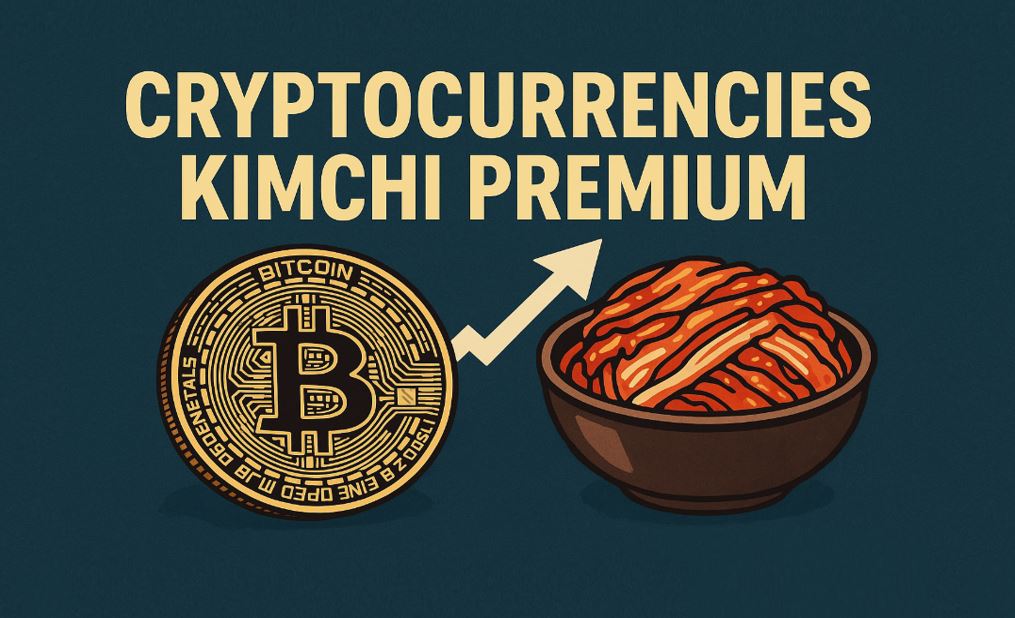
The cryptocurrency world, particularly in South Korea, is experiencing a dynamic period. While Bitcoin (BTC) and other major altcoins continue to grapple with market volatility and the intriguing phenomenon known as the 'Kimchi Premium,' the nation is simultaneously forging ahead with groundbreaking regulatory changes set to reshape its financial future. This duality presents a fascinating snapshot of the evolving digital asset space.
加密货币世界,尤其是韩国,正在经历一个充满活力的时期。虽然比特币(BTC)和其他主要山寨币继续应对市场波动和被称为“泡菜溢价”的有趣现象,但该国正在同时推进突破性的监管变革,以重塑其金融未来。这种二元性展现了不断发展的数字资产领域的迷人快照。
The Elusive Kimchi Premium
难以捉摸的泡菜高级品
For those unfamiliar, the Kimchi Premium refers to the price difference of cryptocurrencies, most notably Bitcoin, between South Korean exchanges and global exchanges. Recent data from early October shows this premium hovering in a relatively narrow band. For instance, on October 4th, Bitcoin traded at approximately 115.27 million KRW on South Korea's Upbit, while on global exchange Binance, it was priced around 114.40 million KRW, resulting in a premium of about 0.77%. Earlier, on October 3rd, the premium was even tighter at 0.46%. This suggests that while South Korean investors are still willing to pay a slight markup for crypto, the significant premiums seen in the past are not currently dominating the market. Other major altcoins like Ethereum, Solana, XRP, and Dogecoin also exhibited similar, albeit smaller, premiums, generally ranging from 0.3% to 0.9%.
对于那些不熟悉的人来说,泡菜溢价指的是韩国交易所和全球交易所之间加密货币(尤其是比特币)的价格差异。十月初的最新数据显示,这一溢价徘徊在相对狭窄的区间内。例如,10月4日,比特币在韩国Upbit的交易价格约为1.1527亿韩元,而在全球交易所Binance的交易价格约为1.144亿韩元,溢价约为0.77%。此前,10 月 3 日,溢价甚至更窄,为 0.46%。这表明,虽然韩国投资者仍然愿意为加密货币支付小幅加价,但过去看到的大幅溢价目前并未主导市场。其他主要山寨币,如以太坊、Solana、XRP 和狗狗币也表现出类似的溢价,尽管溢价较小,通常在 0.3% 到 0.9% 之间。
Bitcoin's Market Ponderings
比特币的市场思考
Beyond the Kimchi Premium, Bitcoin's price action has been a subject of intense analysis. Reports indicate that Bitcoin faced selling pressure as it failed to break through the $87,220 mark, retreating towards the $84,575 level. This pullback was reportedly triggered by large holders, or 'whales,' offloading significant amounts of BTC, estimated at over 30,000 BTC, around the recent local peak. This selling coincided with the upper boundary of Bitcoin's two-week price channel, signaling a period of consolidation rather than an immediate rally. Analysts are now closely watching the support zone near $82,500, with multiple technical indicators converging in this area. The stabilization of whale balances and potential resumption of accumulation are seen as key factors for buyers to regain market control.
除了泡菜溢价之外,比特币的价格走势也一直是深入分析的主题。报告显示,比特币面临抛售压力,未能突破 87,220 美元大关,回落至 84,575 美元水平。据报道,这种回调是由大持有者或“鲸鱼”在最近的当地峰值附近抛售大量 BTC(估计超过 30,000 BTC)引发的。此次抛售恰逢比特币两周价格通道的上限,标志着一段整合期,而不是立即反弹。分析师目前正在密切关注 82,500 美元附近的支撑区域,多个技术指标均在此区域汇聚。鲸鱼平衡的稳定和积累的潜在恢复被视为买家重新获得市场控制权的关键因素。
Adding to the overhead pressure, Glassnode data suggests that investors who purchased Bitcoin between six months and two years ago are near their break-even points, contributing to ongoing selling pressure above the $87,000 level. Long-term holders have doubled their realized profit in the week ending September 29th, further supporting the view that established investors are taking profits near local highs.
Glassnode 的数据表明,在六个月到两年前购买比特币的投资者已接近收支平衡点,这加剧了管理压力,导致抛售压力持续高于 87,000 美元。截至 9 月 29 日当周,长期持有者的已实现利润翻了一番,进一步支持了老牌投资者正在接近当地高点获利了结的观点。
South Korea's Leap into Tokenized Securities
韩国进军代币化证券
In a move that could truly redefine finance, South Korea's financial regulator, the Financial Services Commission (FSC), has unveiled detailed rules for tokenized securities. Officially taking effect on February 4, 2027, this framework paves the way for stocks, bonds, and funds to operate on blockchain-based infrastructure. This isn't just a policy announcement; it's a comprehensive roadmap including investor limits, licensing requirements, and a phased rollout. The revisions, proposed on October 1, 2026, will undergo a public comment period before final approval. The rules cover a broad spectrum of assets and include robust investor protection measures, such as an annual net purchase limit of ₩100 million (approximately $70,000) for retail investors on each OTC exchange platform. The phased rollout, beginning in February 2027, will initially focus on privately pooled money market funds and bonds for institutional investors, eventually expanding to all publicly offered securities, including listed stocks, and later to on-chain payment infrastructure linked to stablecoins.
韩国金融监管机构金融服务委员会(FSC)公布了代币化证券的详细规则,此举可能真正重新定义金融。该框架于 2027 年 2 月 4 日正式生效,为股票、债券和基金在基于区块链的基础设施上运作铺平了道路。这不仅仅是一个政策公告;这是一个全面的路线图,包括投资者限制、许可要求和分阶段推出。这些修订于 2026 年 10 月 1 日提出,在最终批准之前将经历公众评议期。这些规则涵盖广泛的资产,并包括强有力的投资者保护措施,例如每个场外交易平台上散户投资者的年度净购买限额为 1 亿韩元(约 70,000 美元)。从 2027 年 2 月开始分阶段推出,最初将重点关注机构投资者的私募货币市场基金和债券,最终扩展到所有公开发行的证券,包括上市股票,随后扩展到与稳定币相关的链上支付基础设施。
A Glimpse into the Future
未来一瞥
This regulatory push signifies South Korea's serious commitment to integrating blockchain technology into its traditional capital markets. With firms like Hanwha already developing tokenized securities platforms, the groundwork is being laid for a future where digital assets and traditional finance coexist seamlessly. It's an exciting time to watch South Korea pioneer these advancements!
这一监管举措标志着韩国认真致力于将区块链技术纳入其传统资本市场。随着韩华等公司已经开发了代币化证券平台,正在为数字资产和传统金融无缝共存的未来奠定基础。这是一个激动人心的时刻,见证韩国引领这些进步!
 BH NEWS
 Coin Muhendisi
 IT Times
 Blockonomi
 CryptoTicker ENG
 Wendy
 Nathon Clark
 Optimisus
 COINTURK NEWS