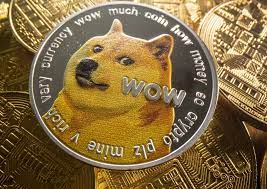
Dogecoin, Investment, and Treasury Strategies: A New Era for Meme Coins?
Dogecoin's journey from internet meme to potential corporate treasury asset is reshaping investment strategies. With increasing institutional interest, could Dogecoin become a mainstream financial tool?
Dogecoin's Rising Prominence
Once dismissed as a mere joke, Dogecoin (DOGE) is now capturing the attention of institutional investors. CleanCore Solutions, for example, is aiming to hold over 1 billion DOGE, signaling a shift in how corporations view meme coins. This move highlights a growing trend: the acceptance of previously speculative assets into mainstream financial strategies.
CleanCore's Strategic Acquisition of Dogecoin
CleanCore Solutions, led by CIO Marco Margiotta, is actively acquiring Dogecoin, aiming to reach 1 billion tokens soon. This initiative underscores a significant trend: institutional investments in meme coins. Supported by figures like Pantera Capital and the Dogecoin Foundation, CleanCore is helping redefine Dogecoin as a legitimate reserve asset suitable for corporate treasuries.
Market Dynamics and Investor Enthusiasm
Following CleanCore’s announcement, Dogecoin's value surged by approximately 22%, demonstrating renewed investor confidence. This bullish momentum suggests a deeper understanding of Dogecoin's potential in mainstream finance. Historical parallels can be drawn to MicroStrategy's early adoption of Bitcoin, further solidifying Dogecoin’s position as a serious asset contender.
DOGE as a Viable Reserve Asset
CleanCore’s integration of Dogecoin as a core reserve asset has broader implications for the crypto landscape. Meme coins, once seen as volatile, are now being recognized for their strategic utility in treasury management. Margiotta emphasizes positioning Dogecoin as a leading reserve asset, enhancing its use in payments, tokenization, and global remittances. This perception shift could drive wider institutional adoption of DOGE.
Regulatory Challenges and Future Trends
However, this ambition faces regulatory hurdles. Incorporating meme coins into corporate treasuries raises compliance and financial oversight questions. Companies must prepare for evolving legal norms and transparency. Stricter regulations could legitimize meme coins, fostering a more responsible investment environment.
The Rise of Alternative Meme Coins
While Dogecoin is making strides, newer meme coins like Pepeto (PEPETO) are also emerging, blending culture with utility. Pepeto features a zero-fee DEX and cross-chain bridge, aiming to provide immediate usability. This approach directly appeals to investors seeking tangible value alongside meme appeal.
Dogecoin vs. Pepeto: A Comparative Look
Dogecoin, with its established brand, focuses on payments but lacks native smart contracts. Pepeto, conversely, offers live infrastructure and clear tokenomics. While Dogecoin feels like a classic car awaiting upgrades, Pepeto is built for Ethereum's fast lane, offering real-world applications from day one.
Bitcoin's Influence on Corporate Strategies
The trend of adding crypto to balance sheets isn't limited to meme coins. Companies like Tesla and MicroStrategy have integrated Bitcoin (BTC) into their treasury strategies, signaling a broader acceptance of crypto as a legitimate asset. This move is influencing companies to reconsider capital allocation, emphasizing resilience over mere yield.
Conclusion: The Evolving Landscape of Corporate Finance
The evolving narrative around Dogecoin, combined with the rise of new meme coins and the strategic adoption of Bitcoin, signifies a significant shift in corporate treasury management. As speculative assets gain credibility, stakeholders must adapt to new regulatory climates and strategic frameworks. So, buckle up, buttercups! The world of digital assets is getting a whole lot more interesting, and Dogecoin might just be leading the charge!
 Coingabbar
 COINTURK NEWS
 Crypto News Land
 36crypto
 Cointribune EN
 Coingabbar
 IT Times
 Coinpaper.com
 Coingabbar