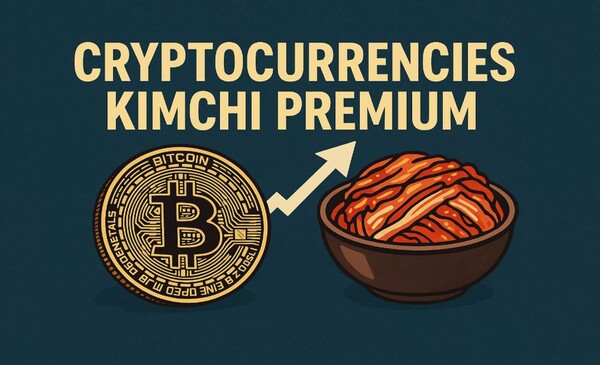
New York, NY - The cryptocurrency market, particularly Bitcoin, continues to capture attention in South Korea, with recent data highlighting a persistent 'Kimchi Premium' and an emerging trend of younger South Koreans utilizing crypto gains to purchase homes. This intersection of digital assets and traditional real estate is reshaping financial behaviors and presenting unique market dynamics.
纽约 - 加密货币市场,尤其是比特币,继续吸引韩国的关注,最近的数据凸显了持续的“泡菜溢价”以及年轻韩国人利用加密货币收益购买房屋的新兴趋势。数字资产与传统房地产的这种交叉正在重塑金融行为并呈现独特的市场动态。
The Persistent Kimchi Premium
持久的泡菜溢价
The 'Kimchi Premium' refers to the price difference of cryptocurrencies, especially Bitcoin, between South Korean exchanges and global markets. Recent observations show this premium fluctuating but remaining a consistent feature. For instance, on September 4th, Bitcoin traded at approximately 110.46 million KRW on Upbit, while global exchanges like Binance listed it around 109.30 million KRW. This gap, translating to a premium of about 1.06%, indicates a distinct demand and pricing within the South Korean market. This phenomenon is not limited to Bitcoin; other major altcoins like Ethereum, Solana, XRP, and Dogecoin have also been observed trading at similar premiums, generally ranging between 1.1% and 1.2%, underscoring a broader trend of South Korean investors being willing to pay more for digital assets.
“泡菜溢价”是指韩国交易所与全球市场之间加密货币(尤其是比特币)的价格差异。最近的观察显示,这种溢价有所波动,但仍保持一致的特征。例如,9月4日,比特币在Upbit上的交易价格约为1.1046亿韩元,而币安等全球交易所的交易价格约为1.093亿韩元。这一差距相当于约 1.06% 的溢价,表明韩国市场存在独特的需求和定价。这种现象不仅限于比特币;其他主要山寨币,如以太坊、Solana、XRP 和狗狗币也被观察到以类似的溢价进行交易,通常在 1.1% 到 1.2% 之间,这突显了韩国投资者愿意为数字资产支付更高价格的更广泛趋势。
Crypto Fuels Homeownership Dreams
加密货币助推购房梦想
Perhaps one of the most striking developments is the official acknowledgment of crypto sales being used to finance home purchases in South Korea. Data from February 10th to the end of July reveals that 1,688 home purchases, totaling approximately 148.5 billion KRW (about $109 million USD), utilized proceeds from virtual asset sales. Notably, almost 90% of this amount, around 133.1 billion KRW ($97 million USD), was directed towards apartment purchases. The average amount used per transaction was about 87.1 million KRW ($63,000 USD), suggesting that crypto gains are serving as a crucial supplementary fund rather than covering the entire purchase price.
也许最引人注目的进展之一是官方承认加密货币销售被用于为韩国购房融资。 2 月 10 日至 7 月底的数据显示,有 1,688 笔购房交易使用了虚拟资产销售收益,总金额约为 1,485 亿韩元(约合 1.09 亿美元)。值得注意的是,其中近 90%(约 1,331 亿韩元(9,700 万美元))用于购买公寓。每笔交易的平均金额约为 8710 万韩元(63,000 美元),这表明加密收益正在作为重要的补充资金,而不是覆盖整个购买价格。
Demographic Trends
人口趋势
The data strongly indicates that younger demographics, specifically individuals in their 30s and 40s, are at the forefront of this trend. They accounted for 89.8% of the home purchases involving crypto sales and represented 88.9% of the total crypto funds used, amounting to roughly 132 billion KRW ($96 million USD). This demographic is particularly significant as they are also the ones most affected by the recent tightening of lending rules and persistently high interest rates, making traditional home financing more challenging.
数据有力地表明,年轻群体,特别是 30 多岁和 40 多岁的人,处于这一趋势的最前沿。它们占涉及加密货币销售的房屋购买量的 89.8%,占使用的加密货币资金总额的 88.9%,金额约为 1,320 亿韩元(9,600 万美元)。这一群体尤为重要,因为他们也是受近期贷款规则收紧和持续高利率影响最严重的群体,使得传统的住房融资更具挑战性。
Driving Forces Behind the Trend
趋势背后的驱动力
The shift towards using crypto for real estate is largely attributed to stricter lending regulations, which have significantly reduced loan-to-value ratios. Coupled with high interest rates that increase monthly payments, potential homebuyers are finding it harder to secure bank loans. Consequently, individuals with accumulated crypto assets are turning to these holdings to bridge the financial gap. It's important to note that this trend does not appear to be driven by a loss of faith in crypto's profit potential, but rather a substitution effect due to the narrowed pathways for conventional borrowing. The data also suggests this is not a marketing-driven phenomenon but a direct result of a policy change that added 'proceeds from virtual asset sales' as a reporting option on official home purchase forms.
房地产向使用加密货币的转变很大程度上归因于更严格的贷款法规,这大大降低了贷款与价值的比率。再加上高利率导致每月还款额增加,潜在购房者发现获得银行贷款变得更加困难。因此,拥有积累的加密资产的个人正在转向持有这些资产来弥补财务缺口。值得注意的是,这种趋势似乎并不是由于对加密货币盈利潜力失去信心而驱动的,而是由于传统借贷途径缩小而产生的替代效应。数据还表明,这不是营销驱动的现象,而是政策变化的直接结果,该政策变化将“虚拟资产销售收益”添加为官方购房表格的报告选项。
Looking Ahead
展望未来
The integration of crypto into the housing market introduces a new layer of complexity for policymakers, blurring the lines between virtual asset trading and traditional debt management. As long as borrowing remains constrained and interest rates stay elevated, this trend of using crypto assets to fund real estate purchases is likely to persist among younger South Koreans. While the exact net worth of these buyers or the specific crypto price movements at the time of sale remain unknown, the pattern clearly illustrates crypto's growing role in the broader South Korean economy.
加密货币融入房地产市场给政策制定者带来了新的复杂性,模糊了虚拟资产交易和传统债务管理之间的界限。只要借贷仍然受到限制并且利率保持在高位,这种使用加密资产为房地产购买提供资金的趋势就可能在韩国年轻人中持续存在。尽管这些买家的确切净资产或销售时的具体加密货币价格走势仍不得而知,但这种模式清楚地表明了加密货币在更广泛的韩国经济中日益增长的作用。
So, whether you're watching Bitcoin's price swings or South Korea's housing market, it's clear that crypto is making its mark in some very real, tangible ways!
因此,无论您是关注比特币的价格波动还是韩国的房地产市场,很明显加密货币正在以一些非常真实、切实的方式留下自己的印记!
 36crypto
 Cointribune EN
 Coingabbar
 IT Times
 Coinpaper.com
 Coingabbar
 DT News
 ETHNews
 36crypto