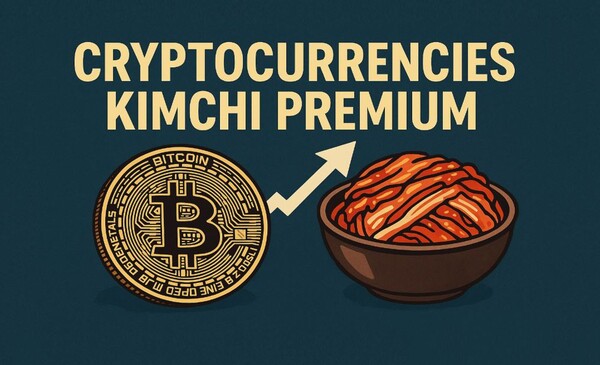
Seoul, South Korea - The dynamic world of cryptocurrency continues to present unique challenges and opportunities in South Korea, particularly concerning the notorious 'Kimchi Premium' and evolving legal approaches to digital asset debt. Recent analyses reveal a fluctuating market for Bitcoin and other cryptocurrencies, alongside significant policy shifts aimed at managing crypto-related financial distress.
韓国、ソウル – ダイナミックな仮想通貨の世界は、特に悪名高い「キムチプレミアム」やデジタル資産債務に対する法的アプローチの進化に関して、韓国に特有の課題と機会をもたらし続けています。最近の分析では、仮想通貨関連の財政難の管理を目的とした大幅な政策転換とともに、ビットコインやその他の仮想通貨の市場が変動していることが明らかになった。
The Shifting 'Kimchi Premium'
移り変わる「キムチプレミアム」
As of August 16th, Bitcoin (BTC) experienced a slight uptick on South Korean exchanges like Upbit, trading at approximately 89.16 million KRW. However, this local price point reflected a minor 'reverse Kimchi Premium' of -0.31% when compared to global exchanges such as Binance. This indicates that, for a brief period, digital assets were trading at a slight discount within South Korea compared to international markets. This phenomenon, while currently reversed, has historically seen South Korean prices surge significantly above global averages, creating arbitrage opportunities.
8月16日の時点で、ビットコイン(BTC)はアップビットなどの韓国取引所で若干の上昇を経験し、約8,916万ウォンで取引されている。ただし、このローカル価格ポイントは、Binance などのグローバル取引所と比較した場合、-0.31% というわずかな「逆キムチ プレミアム」を反映しています。これは、短期間、韓国国内でデジタル資産が国際市場に比べてわずかに割引されて取引されていることを示しています。この現象は、現在は逆転しているが、歴史的には韓国の価格が世界平均を大幅に上回り、裁定取引の機会を生み出してきた。
This trend extended to other major altcoins, including Ethereum (ETH), Solana (SOL), and XRP (XRP), which also traded at discounts ranging from -0.22% to -0.35% against their global counterparts. While the 'Kimchi Premium' often signals heightened local demand, its current negative iteration suggests a more balanced, or perhaps less frenzied, market sentiment within the country.
この傾向はイーサリアム (ETH)、ソラナ (SOL)、XRP (XRP) などの他の主要なアルトコインにも広がり、これらも世界の同等物に対して -0.22% から -0.35% の範囲の割引で取引されました。 「キムチプレミアム」は地元の需要の高まりを示すことが多いが、現在は否定的な傾向が繰り返されており、国内の市場心理がよりバランスが取れているか、おそらく熱狂が落ち着いていることを示唆している。
A New Era for Crypto Debt in South Korea
韓国の仮想通貨負債の新時代
Beyond market price fluctuations, South Korea is implementing groundbreaking legal changes that could profoundly affect individuals dealing with cryptocurrency-related debt. Starting in March 2026, new rehabilitation courts in Daejeon, Daegu, and Gwangju will exclude debts stemming from cryptocurrency and stock investment losses from personal rehabilitation repayment calculations. This landmark decision offers a crucial reprieve for traders who have suffered significant losses in the volatile digital asset market.
市場価格の変動を超えて、韓国は仮想通貨関連の負債を抱えている個人に重大な影響を与える可能性のある画期的な法改正を実施している。大田、大邱、光州の新たな再生裁判所は2026年3月から、仮想通貨と株式投資の損失による負債を個人再生の返済額の計算から除外することになる。この画期的な決定は、不安定なデジタル資産市場で重大な損失を被ったトレーダーに重大な猶予を与えるものである。
Under this revised framework, individuals who borrowed funds for crypto investments and subsequently incurred losses will not have those deficits counted as ongoing liabilities when courts design debt restructuring plans. This approach, distinct from full bankruptcy, allows debtors to retain assets while managing a more manageable portion of their debts based on their actual financial capacity. The exclusion acknowledges the inherent volatility and valuation challenges associated with cryptocurrencies, which can fluctuate rapidly between case filing and finalization of a debt plan.
この修正された枠組みの下では、仮想通貨投資のために資金を借り、その後損失を被った個人は、裁判所が債務再編計画を策定する際に、それらの赤字を継続負債としてカウントされなくなる。このアプローチは完全破産とは異なり、債務者が資産を保持しながら、実際の財務能力に基づいて債務の管理しやすい部分を管理することを可能にします。この除外は、訴訟提起から債務計画の最終決定までの間で急速に変動する可能性がある、仮想通貨に伴う固有のボラティリティと評価の課題を認識している。
Navigating Potential Pitfalls and Future Outlook
潜在的な落とし穴の回避と将来の見通し
While these changes aim to provide much-needed relief, they are not without their complexities. Concerns have been raised about potential abuse, such as debtors attempting to disguise existing crypto holdings as failed investments. To counter this, courts like the Daegu Rehabilitation Court have announced penalties for such deceptive practices. Furthermore, financial experts point to a potential disparity, as creditors might face lower recovery rates when digital assets are excluded from repayment calculations, a benefit not mirrored for traditional investment losses.
これらの変更は、切望されている救済を提供することを目的としていますが、複雑性がないわけではありません。債務者が既存の仮想通貨保有を失敗した投資として偽装しようとするなど、悪用の可能性についての懸念が提起されている。これに対抗するため、大邱更生裁判所などの裁判所は、このような欺瞞的な行為に対する罰則を発表した。さらに、金融専門家は、デジタル資産が返済計算から除外されると債権者は回収率の低下に直面する可能性があるため、潜在的な不均衡を指摘しており、この利点は従来の投資損失には反映されていません。
In a broader move towards regulatory clarity, South Korea's Financial Services Commission has tightened rules for debt adjustment programs, requiring applicants to disclose crypto holdings. Concurrently, the Supreme Court is proposing amendments to civil execution rules, expected to take effect in October 2026, which will grant courts greater authority to seize and liquidate cryptocurrencies in civil debt enforcement cases. This dual approach—offering relief in rehabilitation while strengthening creditor rights in civil disputes—highlights South Korea's evolving and multifaceted strategy in managing the complexities of digital assets.
規制の明確化に向けた広範な動きの一環として、韓国金融委員会は債務調整プログラムの規則を厳格化し、申請者に仮想通貨保有額の開示を義務付けた。同時に、最高裁判所は民事執行規則の修正案を提案しており、2026年10月に施行される予定で、これにより民事債務執行事件において仮想通貨の差し押さえや清算について裁判所により大きな権限が与えられることになる。民事紛争における債権者の権利を強化しながら、再生における救済を提供するというこの二重のアプローチは、デジタル資産の複雑さを管理する際の韓国の進化する多面的な戦略を浮き彫りにしている。
It's a fascinating time to watch how South Korea, a nation deeply engaged with technological innovation, crafts its legal and financial future amidst the rise of cryptocurrencies. Whether this patchwork of regulations will coalesce into a unified framework remains to be seen, but one thing is for sure: the digital asset journey is anything but boring!
技術革新に深く取り組んでいる国である韓国が、仮想通貨の台頭の中で法的および財政的な未来をどのように作り上げていくのかを見るのに、今は興味深い時期だ。このパッチワークのような規制が統一された枠組みに統合されるかどうかはまだわかりませんが、1 つ確かなことは、デジタル資産への取り組みは決して退屈なものではないということです。
 36crypto
 Cointribune EN
 Coingabbar
 IT Times
 Coinpaper.com
 Coingabbar
 DT News
 ETHNews
 36crypto