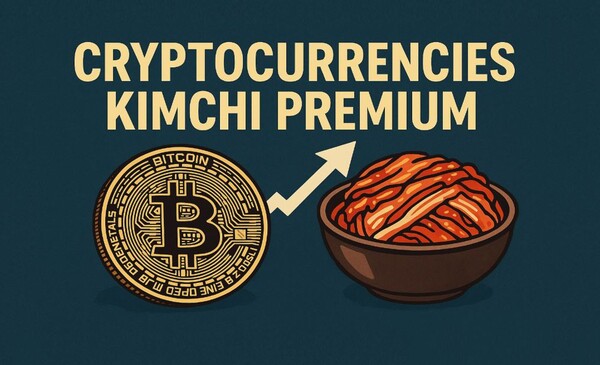
Seoul, South Korea - The dynamic world of cryptocurrency continues to present unique challenges and opportunities in South Korea, particularly concerning the notorious 'Kimchi Premium' and evolving legal approaches to digital asset debt. Recent analyses reveal a fluctuating market for Bitcoin and other cryptocurrencies, alongside significant policy shifts aimed at managing crypto-related financial distress.
韩国首尔 - 动态的加密货币世界继续给韩国带来独特的挑战和机遇,特别是在臭名昭著的“泡菜溢价”和不断发展的数字资产债务法律方法方面。最近的分析揭示了比特币和其他加密货币的市场波动,以及旨在管理与加密货币相关的财务困境的重大政策转变。
The Shifting 'Kimchi Premium'
不断变化的“泡菜溢价”
As of August 16th, Bitcoin (BTC) experienced a slight uptick on South Korean exchanges like Upbit, trading at approximately 89.16 million KRW. However, this local price point reflected a minor 'reverse Kimchi Premium' of -0.31% when compared to global exchanges such as Binance. This indicates that, for a brief period, digital assets were trading at a slight discount within South Korea compared to international markets. This phenomenon, while currently reversed, has historically seen South Korean prices surge significantly above global averages, creating arbitrage opportunities.
截至 8 月 16 日,比特币 (BTC) 在 Upbit 等韩国交易所小幅上涨,交易价格约为 8916 万韩元。然而,与币安等全球交易所相比,这个本地价格点反映了 -0.31% 的小幅“反向泡菜溢价”。这表明,在短时间内,与国际市场相比,韩国境内的数字资产交易价格略有折扣。这种现象虽然目前已发生逆转,但历史上韩国价格曾大幅高于全球平均水平,创造了套利机会。
This trend extended to other major altcoins, including Ethereum (ETH), Solana (SOL), and XRP (XRP), which also traded at discounts ranging from -0.22% to -0.35% against their global counterparts. While the 'Kimchi Premium' often signals heightened local demand, its current negative iteration suggests a more balanced, or perhaps less frenzied, market sentiment within the country.
这一趋势也延伸到了其他主要山寨币,包括以太坊 (ETH)、Solana (SOL) 和 XRP (XRP),这些货币相对于全球同类货币的折扣也从 -0.22% 到 -0.35% 不等。虽然“泡菜溢价”通常预示着当地需求的增加,但其当前的负面影响表明该国国内市场情绪更加平衡,或者也许不那么疯狂。
A New Era for Crypto Debt in South Korea
韩国加密货币债务的新时代
Beyond market price fluctuations, South Korea is implementing groundbreaking legal changes that could profoundly affect individuals dealing with cryptocurrency-related debt. Starting in March 2026, new rehabilitation courts in Daejeon, Daegu, and Gwangju will exclude debts stemming from cryptocurrency and stock investment losses from personal rehabilitation repayment calculations. This landmark decision offers a crucial reprieve for traders who have suffered significant losses in the volatile digital asset market.
除了市场价格波动之外,韩国正在实施突破性的法律变革,这可能会对处理加密货币相关债务的个人产生深远影响。从 2026 年 3 月开始,大田、大邱和光州的新康复法院将把加密货币债务和股票投资损失排除在个人康复还款计算之外。这一具有里程碑意义的决定为在动荡的数字资产市场中遭受重大损失的交易者提供了重要的缓解。
Under this revised framework, individuals who borrowed funds for crypto investments and subsequently incurred losses will not have those deficits counted as ongoing liabilities when courts design debt restructuring plans. This approach, distinct from full bankruptcy, allows debtors to retain assets while managing a more manageable portion of their debts based on their actual financial capacity. The exclusion acknowledges the inherent volatility and valuation challenges associated with cryptocurrencies, which can fluctuate rapidly between case filing and finalization of a debt plan.
根据这一修订后的框架,当法院设计债务重组计划时,借入资金进行加密货币投资并随后遭受损失的个人将不会将这些赤字算作持续负债。这种方法与完全破产不同,它允许债务人保留资产,同时根据其实际财务能力管理更易于管理的部分债务。该排除承认与加密货币相关的固有波动性和估值挑战,加密货币在案件立案和债务计划最终确定之间可能会迅速波动。
Navigating Potential Pitfalls and Future Outlook
克服潜在陷阱和未来展望
While these changes aim to provide much-needed relief, they are not without their complexities. Concerns have been raised about potential abuse, such as debtors attempting to disguise existing crypto holdings as failed investments. To counter this, courts like the Daegu Rehabilitation Court have announced penalties for such deceptive practices. Furthermore, financial experts point to a potential disparity, as creditors might face lower recovery rates when digital assets are excluded from repayment calculations, a benefit not mirrored for traditional investment losses.
虽然这些变化旨在提供急需的救济,但它们并非没有复杂性。人们对潜在的滥用行为表示担忧,例如债务人试图将现有的加密货币资产伪装成失败的投资。为了解决这一问题,大邱康复法院等法院宣布了对此类欺骗行为的处罚。此外,金融专家指出了潜在的差异,因为当数字资产被排除在还款计算之外时,债权人可能会面临较低的回收率,而传统投资损失并没有反映出这一好处。
In a broader move towards regulatory clarity, South Korea's Financial Services Commission has tightened rules for debt adjustment programs, requiring applicants to disclose crypto holdings. Concurrently, the Supreme Court is proposing amendments to civil execution rules, expected to take effect in October 2026, which will grant courts greater authority to seize and liquidate cryptocurrencies in civil debt enforcement cases. This dual approach—offering relief in rehabilitation while strengthening creditor rights in civil disputes—highlights South Korea's evolving and multifaceted strategy in managing the complexities of digital assets.
在更广泛的监管清晰度方面,韩国金融服务委员会收紧了债务调整计划的规则,要求申请人披露加密货币持有量。与此同时,最高法院正在提议对民事执行规则进行修订,预计将于 2026 年 10 月生效,这将赋予法院在民事债务执行案件中扣押和清算加密货币的更大权力。这种双重方法——提供康复救济,同时加强民事纠纷中的债权人权利——凸显了韩国在管理数字资产复杂性方面不断发展的多方面战略。
It's a fascinating time to watch how South Korea, a nation deeply engaged with technological innovation, crafts its legal and financial future amidst the rise of cryptocurrencies. Whether this patchwork of regulations will coalesce into a unified framework remains to be seen, but one thing is for sure: the digital asset journey is anything but boring!
现在是观看韩国这个深度参与技术创新的国家如何在加密货币崛起的过程中打造其法律和金融未来的迷人时刻。这些拼凑的法规是否会合并成一个统一的框架还有待观察,但有一点是肯定的:数字资产之旅一点也不无聊!
 36crypto
 Cointribune EN
 Coingabbar
 IT Times
 Coinpaper.com
 Coingabbar
 DT News
 ETHNews
 36crypto