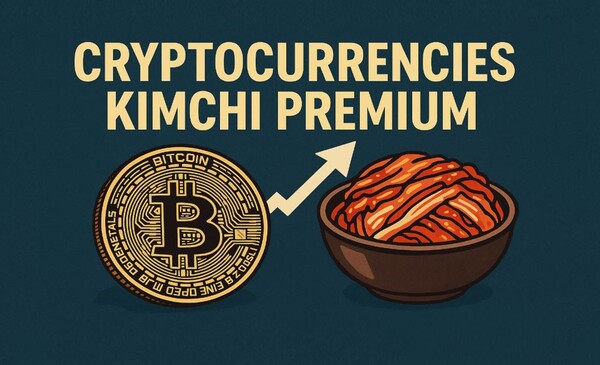
New York, NY – The dynamic world of cryptocurrency is always full of surprises, and South Korea, a recognized hotspot for digital asset activity, is currently serving up a particularly intriguing dish: a consistent 'reverse kimchi premium' for Bitcoin. As of August 23, Bitcoin (BTC) was trading at a noticeable discount on South Korean exchanges compared to global prices, a stark contrast to the historical 'kimchi premium' where local prices often surged higher.
紐約——充滿活力的加密貨幣世界總是充滿驚喜,而公認的數位資產活動熱點韓國目前正在上演一道特別有趣的菜餚:比特幣持續的「反向泡菜溢價」。截至 8 月 23 日,比特幣 (BTC) 在韓國交易所的交易價格與全球價格相比明顯折扣,這與當地價格經常飆升的歷史「泡菜溢價」形成鮮明對比。
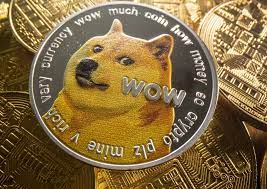
On August 23, BTC on South Korea's Upbit exchange was priced at 105.56 million KRW, while on global exchange Binance, it was 106.89 million KRW, reflecting a negative price gap of 1.33 million KRW and a reverse kimchi premium of -1.25%. This trend wasn't isolated to Bitcoin; Ethereum (ETH) saw a -1.21% reverse premium, and other major altcoins like Solana (SOL), XRP, Dogecoin (DOGE), and Sui (SUI) also traded at discounts ranging from -0.8% to -1.2%.
8 月 23 日,韓國 Upbit 交易所的 BTC 價格為 1.0556 億韓元,而全球交易所 Binance 的價格為 1.0689 億韓元,反映出 133 萬韓元的負價差和 -1.25% 的反向泡菜溢價。這種趨勢並不是比特幣獨有的。以太坊 (ETH) 的反向溢價為 -1.21%,而其他主要山寨幣,如 Solana (SOL)、XRP、Dogecoin (DOGE) 和 Sui (SUI) 的折扣也在 -0.8% 至 -1.2% 之間。
The Plot Thickens: Beyond the Daily Discount
劇情變得更加豐富:超越每日折扣
This persistent reverse premium, a shift from the usual narrative, coincides with a broader, more profound transformation in South Korea's crypto landscape. Andrew Park, CEO of FactBlock and organizer of Korea Blockchain Week, highlighted a significant move from a retail-driven market to one increasingly influenced by institutional participation. This isn't just a ripple; it's a wave of regulatory and legislative changes poised to redefine how digital assets are traded and managed in one Korea.
這種持續的反向溢價與通常的敘述不同,與韓國加密貨幣格局更廣泛、更深刻的轉變相一致。 FactBlock 執行長兼韓國區塊鏈週組織者 Andrew Park 強調了從零售驅動市場向越來越受機構參與影響的市場的重大轉變。這不僅僅是一個漣漪,而是一個漣漪。這是一波監管和立法變革浪潮,將重新定義韓國數位資產的交易和管理方式。
South Korean financial authorities are actively considering allowing corporate virtual asset accounts for approximately 3,500 listed companies and professional investors. Imagine the influx of capital and stability this could bring! The National Assembly is also busy integrating tokenized assets and security tokens into the existing financial regulatory framework, with revisions to key acts to provide much-needed legal clarity.
韓國金融當局正積極考慮允許約3,500家上市公司和專業投資者開設企業虛擬資產帳戶。想像一下這可能帶來的資本湧入和穩定!國民議會也忙於將代幣化資產和證券代幣整合到現有的金融監管框架中,並對關鍵法案進行修訂,以提供急需的法律清晰度。
Project Hangang and the Future of Digital Won
漢江計畫與數位韓元的未來
Adding another layer to this evolving story is the Bank of Korea's Project Hangang, its central bank digital currency (CBDC) initiative. Having completed its first testing phase, the central bank plans to launch a second phase aimed at institutional participants by the end of 2026. This careful, phased approach signals a steady march towards broader digital currency adoption, potentially working hand-in-hand with private sector innovation.
韓國央行的 Hangang 項目是其央行數位貨幣 (CBDC) 計劃,為這個不斷發展的故事增添了另一層內容。在完成第一階段測試後,央行計劃在 2026 年底前啟動針對機構參與者的第二階段。這種謹慎、分階段的方法標誌著數位貨幣在更廣泛採用方面的穩步前進,並有可能與私營部門創新攜手合作。
For the average Joe and Jane, this institutional shift could mean a more regulated and secure environment, though perhaps with fewer of those wild, speculative swings. For the broader financial world, integrating digital assets into traditional frameworks could boost credibility and attract global investment. It's a balancing act between fostering innovation and ensuring robust oversight.
對於普通的喬和簡來說,這種制度轉變可能意味著一個更規範和安全的環境,儘管可能會減少那些瘋狂的投機波動。對於更廣泛的金融世界來說,將數位資產整合到傳統框架中可以提高可信度並吸引全球投資。這是促進創新和確保強有力的監督之間的平衡之舉。
My Two Cents: A Maturing Market?
我的兩分錢:成熟的市場?
It seems to me that the reverse kimchi premium, while a fascinating daily data point, might be a symptom of a market in transition. As South Korea moves towards a more institutionally anchored digital finance ecosystem, the inefficiencies that once created significant premiums or discounts due to retail frenzy might be smoothing out. The increasing regulatory clarity and the entry of more sophisticated players could be leading to a more rational, globally aligned pricing structure. It’s a sign of a market growing up, shedding some of its speculative youth for a more mature, integrated future.
在我看來,反向泡菜溢價雖然是一個令人著迷的每日數據點,但可能是市場轉型的症狀。隨著韓國朝著更加製度化的數位金融生態系統邁進,曾經因零售狂熱而造成大幅溢價或折扣的低效率問題可能會得到緩解。監管日益明確以及更成熟的參與者的進入可能會導致更合理、全球一致的定價結構。這是市場成長的標誌,正在擺脫一些年輕的投機者,走向一個更成熟、一體化的未來。
The Takeaway
外賣
South Korea’s crypto market is at a pivotal juncture. The persistent reverse kimchi premium, far from being just a quirky market anomaly, appears to be intertwined with the country's broader push towards institutional adoption and regulatory sophistication. So, while Bitcoin might be on sale in Seoul today, the underlying narrative is about a market evolving, maturing, and preparing for a future where digital assets are deeply woven into the financial fabric. It's a fascinating watch, and honestly, who doesn't love a good discount?
韓國的加密貨幣市場正處於關鍵時刻。持續存在的反向泡菜溢價絕不僅僅是一種奇怪的市場異常現象,它似乎與該國更廣泛地推動機構採用和監管複雜化交織在一起。因此,雖然比特幣今天可能在首爾發售,但背後的故事是關於市場不斷發展、成熟並為數位資產深入融入金融結構的未來做準備的。這是一款令人著迷的手錶,說實話,誰不喜歡優惠的折扣呢?
 36crypto
 Cointribune EN
 Coingabbar
 IT Times
 Coinpaper.com
 Coingabbar
 DT News
 ETHNews
 36crypto