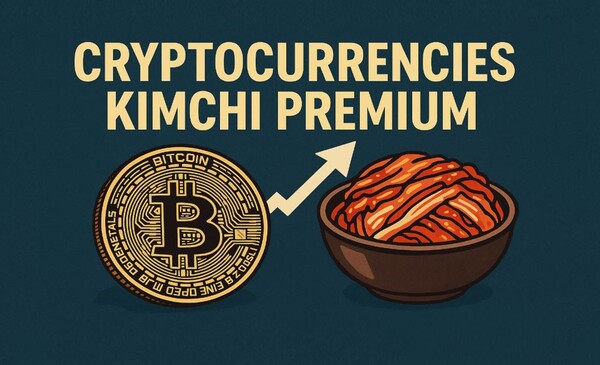
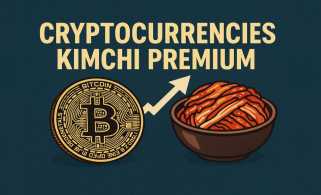
New York, NY – The dynamic world of cryptocurrency is always full of surprises, and South Korea, a recognized hotspot for digital asset activity, is currently serving up a particularly intriguing dish: a consistent 'reverse kimchi premium' for Bitcoin. As of August 23, Bitcoin (BTC) was trading at a noticeable discount on South Korean exchanges compared to global prices, a stark contrast to the historical 'kimchi premium' where local prices often surged higher.
ニューヨーク州ニューヨーク – 仮想通貨のダイナミックな世界は常に驚きに満ちており、デジタル資産活動のホットスポットとして知られる韓国は現在、特に興味深い料理を提供している。それは、ビットコインに対する一貫した「逆キムチプレミアム」だ。 8月23日の時点で、ビットコイン(BTC)は韓国の取引所で世界価格と比べて著しく割安で取引されており、国内価格がしばしば高騰した歴史的な「キムチプレミアム」とは対照的だ。
On August 23, BTC on South Korea's Upbit exchange was priced at 105.56 million KRW, while on global exchange Binance, it was 106.89 million KRW, reflecting a negative price gap of 1.33 million KRW and a reverse kimchi premium of -1.25%. This trend wasn't isolated to Bitcoin; Ethereum (ETH) saw a -1.21% reverse premium, and other major altcoins like Solana (SOL), XRP, Dogecoin (DOGE), and Sui (SUI) also traded at discounts ranging from -0.8% to -1.2%.
8月23日、韓国のアップビット取引所のBTCの価格は1億556万ウォンでしたが、世界的な取引所バイナンスでは1億689万ウォンで、133万ウォンのマイナスの価格差と-1.25%の逆キムチプレミアムを反映しています。この傾向はビットコインに限ったものではありません。イーサリアム(ETH)のリバースプレミアムは-1.21%で、ソラナ(SOL)、XRP、ドージコイン(DOGE)、スイ(SUI)などの他の主要アルトコインも-0.8%から-1.2%の範囲の割引で取引されました。
The Plot Thickens: Beyond the Daily Discount
陰謀は濃くなる: 日替わり割引を超えて
This persistent reverse premium, a shift from the usual narrative, coincides with a broader, more profound transformation in South Korea's crypto landscape. Andrew Park, CEO of FactBlock and organizer of Korea Blockchain Week, highlighted a significant move from a retail-driven market to one increasingly influenced by institutional participation. This isn't just a ripple; it's a wave of regulatory and legislative changes poised to redefine how digital assets are traded and managed in one Korea.
この永続的なリバースプレミアムは、通常の物語からの変化であり、韓国の暗号通貨の状況におけるより広範でより深刻な変化と一致しています。 FactBlock の CEO であり、Korea Blockchain Week の主催者である Andrew Park 氏は、小売主導の市場から機関投資家による参加の影響がますます強まる市場への大きな移行を強調しました。これは単なる波紋ではありません。それは、一つの韓国におけるデジタル資産の取引方法や管理方法を再定義しようとしている規制や法改正の波だ。
South Korean financial authorities are actively considering allowing corporate virtual asset accounts for approximately 3,500 listed companies and professional investors. Imagine the influx of capital and stability this could bring! The National Assembly is also busy integrating tokenized assets and security tokens into the existing financial regulatory framework, with revisions to key acts to provide much-needed legal clarity.
韓国の金融当局は、約3,500社の上場企業やプロの投資家に法人暗号資産口座を認めることを積極的に検討している。これがもたらす資本の流入と安定を想像してみてください。国会はまた、必要とされている法的明確性を提供するために主要な法律を改正し、トークン化された資産とセキュリティトークンを既存の金融規制の枠組みに統合することに忙しい。
Project Hangang and the Future of Digital Won
プロジェクト漢江とデジタルウォンの未来
Adding another layer to this evolving story is the Bank of Korea's Project Hangang, its central bank digital currency (CBDC) initiative. Having completed its first testing phase, the central bank plans to launch a second phase aimed at institutional participants by the end of 2026. This careful, phased approach signals a steady march towards broader digital currency adoption, potentially working hand-in-hand with private sector innovation.
この進化する物語に新たな層を加えているのが、韓国銀行の中央銀行デジタル通貨 (CBDC) イニシアチブであるプロジェクト ハンガンです。第 1 段階のテストを完了した中央銀行は、2026 年末までに機関投資家を対象とした第 2 段階を開始する予定です。この慎重で段階的なアプローチは、民間部門のイノベーションと連携して、より広範なデジタル通貨の採用に向けた着実な歩みを示しています。
For the average Joe and Jane, this institutional shift could mean a more regulated and secure environment, though perhaps with fewer of those wild, speculative swings. For the broader financial world, integrating digital assets into traditional frameworks could boost credibility and attract global investment. It's a balancing act between fostering innovation and ensuring robust oversight.
平均的なジョーとジェーンにとって、この制度の変化は、より規制された安全な環境を意味するかもしれないが、おそらくそのような乱暴な投機的な変動は少なくなるだろう。より広範な金融界にとって、デジタル資産を従来のフレームワークに統合することは、信頼性を高め、世界的な投資を呼び込む可能性があります。これは、イノベーションの促進と堅牢な監視の確保との間でバランスをとることです。
My Two Cents: A Maturing Market?
My Two Cents: 成熟市場?
It seems to me that the reverse kimchi premium, while a fascinating daily data point, might be a symptom of a market in transition. As South Korea moves towards a more institutionally anchored digital finance ecosystem, the inefficiencies that once created significant premiums or discounts due to retail frenzy might be smoothing out. The increasing regulatory clarity and the entry of more sophisticated players could be leading to a more rational, globally aligned pricing structure. It’s a sign of a market growing up, shedding some of its speculative youth for a more mature, integrated future.
逆キムチプレミアムは、魅力的な毎日のデータポイントではあるものの、過渡期にある市場の兆候である可能性があるように私には思えます。韓国がより制度的に定着したデジタル金融エコシステムに移行するにつれ、かつては小売業の熱狂によって大幅な割増や割引が生じていた非効率性が平準化されつつある可能性がある。規制の透明性の向上と、より洗練されたプレーヤーの参入により、より合理的で世界的に整合した価格体系が実現する可能性があります。これは市場が成長し、より成熟した統合された未来に向けて投機的な若さを一部脱ぎ捨てていることの表れだ。
The Takeaway
テイクアウト
South Korea’s crypto market is at a pivotal juncture. The persistent reverse kimchi premium, far from being just a quirky market anomaly, appears to be intertwined with the country's broader push towards institutional adoption and regulatory sophistication. So, while Bitcoin might be on sale in Seoul today, the underlying narrative is about a market evolving, maturing, and preparing for a future where digital assets are deeply woven into the financial fabric. It's a fascinating watch, and honestly, who doesn't love a good discount?
韓国の仮想通貨市場は重大な岐路に立っています。根強い逆キムチプレミアムは、単なる奇抜な市場異常とは程遠く、制度導入や規制の高度化に向けた同国の広範な推進と絡み合っているようだ。したがって、今日ソウルではビットコインが販売されているかもしれませんが、根底にある物語は、デジタル資産が金融構造に深く織り込まれている市場が進化、成熟し、未来に備えているということです。これは魅力的な時計です。正直なところ、お得な割引が気に入らない人はいないでしょう。
 36crypto
 Cointribune EN
 Coingabbar
 IT Times
 Coinpaper.com
 Coingabbar
 DT News
 ETHNews
 36crypto